

Can a cnc wood router be used for making inlays?
Can a CNC Wood Router Be Used for Making Inlays?
Hey there! I'm a supplier of CNC wood routers, and I often get asked if these machines can be used for making inlays. Well, the short answer is a resounding yes! In this blog post, I'll dive into the details of how a CNC wood router can be a game - changer when it comes to creating beautiful inlays.
First off, let's understand what inlays are. Inlays are decorative elements that are inserted into a base material, usually wood, to create a pattern or design. They can range from simple geometric shapes to intricate and detailed images. Historically, making inlays was a painstaking manual process that required a high level of skill and patience. But with the advent of CNC (Computer Numerical Control) wood routers, the game has completely changed.
One of the biggest advantages of using a CNC wood router for inlay work is precision. These machines are programmed to follow a specific set of instructions, which means they can cut with extreme accuracy. Whether you're making small, delicate inlays or larger, more complex designs, a CNC wood router can reproduce the same pattern over and over again with minimal error. This level of precision is almost impossible to achieve by hand, especially when dealing with intricate details.
Let's talk about the types of CNC wood routers that are particularly well - suited for inlay work. The 6090 CNC Router is a great option for beginners or those working on smaller projects. It has a relatively compact size, which makes it suitable for home workshops or small - scale production. Despite its size, it still offers a good level of precision and can handle a variety of wood types.
For more advanced inlay work, especially those that require 3D effects, the 3d CNC Wood Router is the way to go. This type of router can create depth and dimension in your inlays, giving them a more realistic and eye - catching appearance. It can carve out different levels and contours, allowing you to add a whole new level of detail to your designs.
If you're looking to take your inlay work to the next level, the 4 Axis CNC Router Machine is a powerful tool. The additional axis allows for more complex movements and cuts, enabling you to create inlays with more intricate shapes and angles. This is especially useful for creating inlays that have a lot of curves or irregular shapes.
Now, let's walk through the process of using a CNC wood router to make inlays. The first step is to design your inlay. You can use CAD (Computer - Aided Design) software to create a digital model of your design. This software allows you to play around with different shapes, sizes, and colors to get the perfect look. Once you're happy with your design, you can export it as a file that the CNC wood router can understand.
Next, you need to prepare your materials. Select the wood for both the base and the inlay pieces. Make sure the wood is clean, dry, and free of any defects. You'll also need to secure the wood to the router's worktable. This can be done using clamps or a vacuum hold - down system, depending on the type of router you have.
Once your materials are ready, it's time to load the design file into the CNC wood router's control system. The machine will then start cutting according to the instructions in the file. You can sit back and watch as the router carves out your inlay with precision. It's important to monitor the process to make sure everything is going smoothly, but the machine will do most of the hard work for you.
After the cutting is done, you'll need to remove the inlay pieces from the waste material. You may need to do some light sanding or finishing to smooth out any rough edges. Then, it's just a matter of fitting the inlay pieces into the corresponding recesses in the base wood. You can use glue or other adhesives to secure the inlays in place.
Another great thing about using a CNC wood router for inlay work is the versatility. You're not limited to just wood. You can also use other materials such as veneers, plastics, or even metals in your inlays. This allows you to create unique and one - of - a - kind designs that stand out from the crowd.
In addition to precision and versatility, CNC wood routers also offer efficiency. They can complete inlay projects much faster than manual methods. This means you can take on more projects and increase your productivity. Whether you're a hobbyist looking to create beautiful pieces for yourself or a professional woodworker looking to expand your business, a CNC wood router can be a valuable asset.
However, like any tool, there are a few things to keep in mind when using a CNC wood router for inlay work. You need to have a basic understanding of how the machine works and how to operate the control software. It's also important to follow all safety precautions, such as wearing protective gear and keeping your work area clean and organized.
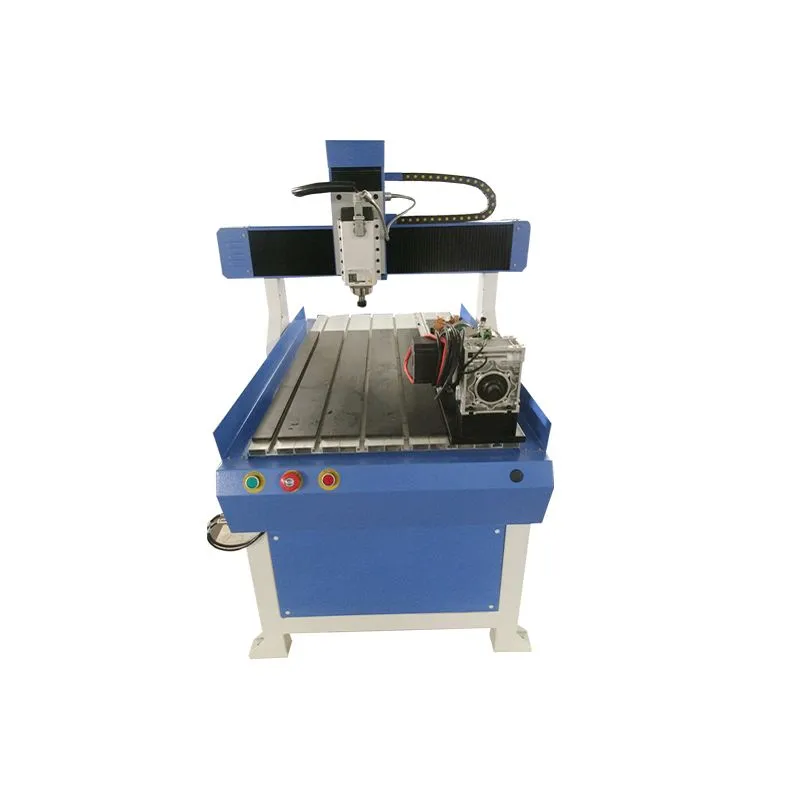

If you're interested in using a CNC wood router for making inlays, I encourage you to reach out. As a supplier, I can provide you with all the information you need about different models, their features, and how they can best suit your inlay projects. Whether you're just starting out or looking to upgrade your existing equipment, I'm here to help you make the right choice. Contact me to start a conversation about your inlay - making needs and how a CNC wood router can take your projects to the next level.
References
- Woodworking Machinery Handbook: A guide to understanding the capabilities and operation of various woodworking tools, including CNC routers.
- Journal of Woodworking Technology: Articles on the latest trends and techniques in woodworking, with a focus on advanced manufacturing methods like CNC routing.