

How to protect the operator when using a Mini Plasma Cutting Machine?
Hey there! As a supplier of Mini Plasma Cutting Machines, I know how important it is to keep operators safe. These machines are super handy, but they also come with some risks. So, let's dive into how we can protect the operator when using a Mini Plasma Cutting Machine.
Pre - operation Checks
Before you even fire up the Mini Plasma Cutting Machine, you gotta do some pre - operation checks. First off, give the machine a good visual inspection. Look for any signs of damage to the cables, hoses, or the machine itself. If you spot any cracks, frays, or loose parts, don't use the machine. Instead, get it repaired or replaced. You can find more about our Mini Plasma Cutting Machine on our website.
Next, check the gas supply. Make sure the gas cylinders are properly connected and that there are no leaks. You can use a soapy water solution to check for leaks around the connections. If you see bubbles forming, there's a leak, and you need to fix it right away. Also, ensure that the gas pressure is set correctly according to the machine's specifications.

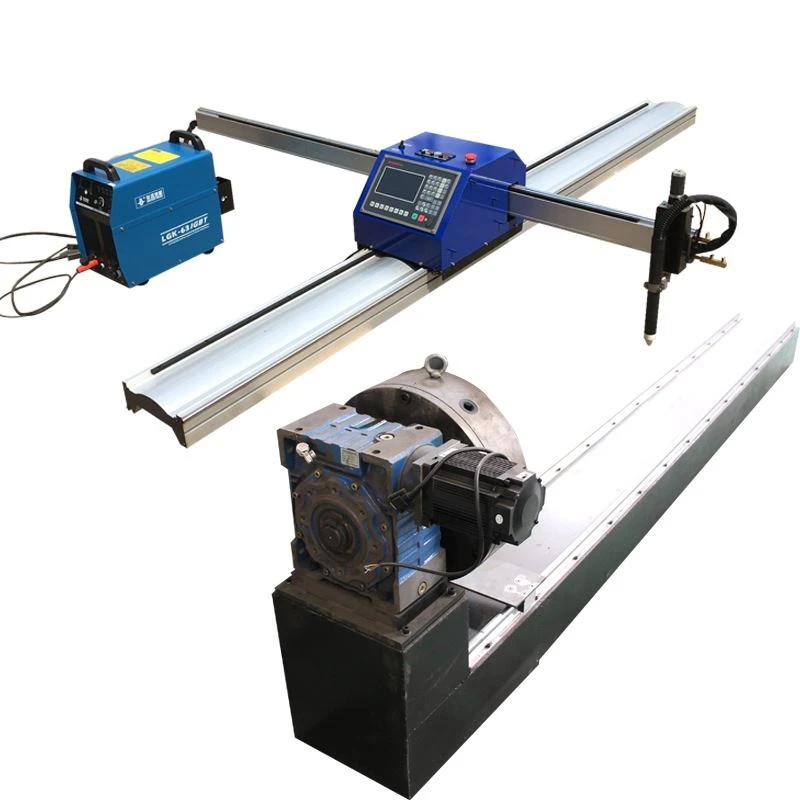
The power supply is another crucial aspect. Check that the power cord is in good condition and that it's plugged into a properly grounded outlet. Using an ungrounded outlet can lead to electrical shocks, which are extremely dangerous.
Personal Protective Equipment (PPE)
PPE is a must - have when operating a Mini Plasma Cutting Machine. Let's start with eye protection. You need a pair of safety goggles or a face shield specifically designed for plasma cutting. The intense light and sparks produced during the cutting process can cause serious eye damage, including burns and long - term vision problems.
Hearing protection is also important. Plasma cutting can be quite noisy, and prolonged exposure to high - decibel noise can lead to hearing loss. Earplugs or earmuffs are a simple and effective way to protect your ears.
Welding gloves are essential to protect your hands from heat, sparks, and sharp edges. They should be made of a heat - resistant material and fit properly. Loose gloves can get caught in the machine, which is a major safety hazard.
A fire - resistant welding jacket or apron is also recommended. It will protect your body from sparks and hot metal debris. Make sure it covers your torso and arms adequately.
Steel - toed boots are a must. They will protect your feet from falling objects and sharp metal pieces.
Proper Machine Operation
When operating the Mini Plasma Cutting Machine, you need to follow the proper procedures. First, make sure the workpiece is securely clamped or held in place. An unstable workpiece can move during cutting, which can lead to inaccurate cuts and increase the risk of accidents.
Keep a safe distance from the cutting area. Sparks and molten metal can fly out, so it's best to stand at least a few feet away. Also, avoid reaching over the cutting area while the machine is in operation.
Don't touch the electrode or the torch tip with your bare hands. They can get extremely hot during operation. If you need to make any adjustments to the torch or change the electrode, make sure the machine is turned off and has cooled down.
Use the machine at the recommended settings. Cutting at the wrong amperage or speed can not only result in poor - quality cuts but also increase the risk of overheating the machine and causing a fire.
Ventilation
Proper ventilation is crucial when using a Mini Plasma Cutting Machine. The cutting process produces fumes and gases that can be harmful if inhaled. Make sure you are working in a well - ventilated area. If you are working indoors, use an exhaust fan or a ventilation system to remove the fumes from the workspace.
If you don't have proper ventilation, you can be exposed to harmful substances such as ozone, nitrogen oxides, and metal fumes. These can cause respiratory problems, headaches, and other health issues.
Training and Education
Operators should receive proper training before using a Mini Plasma Cutting Machine. A trained operator is more likely to follow safety procedures and operate the machine correctly. Training should cover everything from pre - operation checks to emergency procedures.
We also offer resources and support for our customers. If you have any questions about operating our Mini Plasma Cutting Machine, you can always reach out to us.
Emergency Preparedness
You should always be prepared for emergencies when using a Mini Plasma Cutting Machine. Have a fire extinguisher nearby, and make sure you know how to use it. Different types of fires require different types of extinguishers, so make sure you have the right one for the job.
In case of an electrical fire, use a dry chemical or CO2 extinguisher. Never use water on an electrical fire, as it can conduct electricity and make the situation worse.
Know the location of the emergency stop button on the machine. In case of an emergency, you can quickly press this button to stop the machine.
Maintenance and Inspection
Regular maintenance and inspection of the Mini Plasma Cutting Machine are essential for safe operation. Clean the machine regularly to remove dust, debris, and metal shavings. This will help prevent overheating and ensure that the machine operates smoothly.
Inspect the consumables such as the electrode, nozzle, and shields regularly. Replace them when they are worn out. Using worn - out consumables can lead to poor - quality cuts and increase the risk of accidents.
Check the machine's electrical and mechanical components regularly. Look for signs of wear and tear, and replace any damaged parts immediately.
Working Environment
The working environment also plays a role in operator safety. Keep the workspace clean and organized. Remove any clutter or debris that could cause you to trip or fall.
Make sure there is enough space around the machine for you to move freely. Overcrowded workspaces can increase the risk of accidents.
Avoid working in wet or damp conditions. Water can conduct electricity, which increases the risk of electrical shocks.
Additional Safety Tips
If you're working with a Portable Profile Cutting Machine or a Portable Plasma Pipe Cutter, make sure they are properly secured before use. These machines can be moved around, but they need to be stable during operation.
Don't leave the machine unattended while it's running. If you need to step away for any reason, turn off the machine.
In conclusion, protecting the operator when using a Mini Plasma Cutting Machine requires a combination of pre - operation checks, proper use of PPE, correct machine operation, and emergency preparedness. By following these safety tips, you can minimize the risks and ensure a safe working environment.
If you're interested in purchasing a Mini Plasma Cutting Machine or have any questions about our products, feel free to reach out. We're here to help you make the right choice and ensure that you can use our machines safely and effectively.
References
- American Welding Society. Welding Safety and Health Guidelines.
- Occupational Safety and Health Administration (OSHA). Plasma Cutting Safety Standards.