

What is the difference between a fiber flat laser cutting machine and a CO2 flat laser cutting machine?
In the field of industrial manufacturing, flat laser cutting machines are crucial tools, and among them, fiber flat laser cutting machines and CO2 flat laser cutting machines stand out as two prominent types. As a supplier of flat laser cutting machines, I've seen firsthand the differences in their performance, application, and cost - effectiveness. Let's take a detailed look at how these two types of machines differ from each other.
1. Laser Generation Principle
The core difference between fiber and CO2 flat laser cutting machines lies in how they generate the laser beam.
A fiber flat laser cutting machine uses a fiber laser generator. Inside this generator, the laser beam is produced by pumping rare - earth elements (such as ytterbium) that are doped into the optical fiber core. The process involves passing an electric current through pump diodes, which then convert electrical energy into light energy. The light is directed into the doped fiber, where stimulated emission occurs, amplifying the light and generating a high - energy laser beam. This laser beam is then delivered through the fiber to the cutting head.
On the other hand, a CO2 flat laser cutting machine operates based on a gas - discharge principle. The laser cavity of a CO2 laser is filled with a mixture of carbon dioxide (CO2), nitrogen (N2), and helium (He). An electrical discharge is passed through this gas mixture, exciting the CO2 molecules. When these excited molecules return to their lower energy states, they emit photons, which are amplified within the laser cavity to form a high - power laser beam.
2. Laser Wavelength
The wavelengths of the lasers produced by these two types of machines have a significant impact on their cutting capabilities.
Fiber laser cutting machines typically operate at a wavelength of around 1.06 micrometers. This relatively short wavelength allows the laser beam to be highly absorptive by metals, especially reflective metals like copper, brass, and aluminum. The high absorption rate means that the energy of the laser can be efficiently transmitted to the metal work - piece, enabling faster and cleaner cuts.
In contrast, CO2 flat laser cutting machines emit a laser beam with a wavelength of about 10.6 micrometers. This longer wavelength is well - absorbed by non - metallic materials such as wood, acrylic, plastics, glass, and fabrics. However, when it comes to metals, especially highly reflective ones, the absorption rate is much lower, which can result in less efficient cutting and may require additional surface treatments to improve absorption.
3. Cutting Quality and Precision
Both machines can achieve high - quality cuts, but they have their own advantages in different material scenarios.
Regarding fiber flat laser cutting machines, because of their high - energy concentration and short wavelength, they can achieve extremely fine cutting lines. The focused laser beam can penetrate the metal quickly, producing smooth cut surfaces with minimal kerf width (the width of the material removed during cutting). This makes them ideal for applications where high precision is required, such as in the production of electronic components, jewelry, and precision mechanical parts.
CO2 flat laser cutting machines, while not as precise as fiber lasers when cutting metals, excel in cutting non - metallic materials. They can produce clean and smooth edges on materials like wood and acrylic. When cutting thick non - metallic materials, CO2 lasers can provide a more consistent and stable cutting process, resulting in high - quality finished products.
4. Cutting Thickness and Speed
The cutting ability of these two types of machines also varies in terms of thickness and speed.
Fiber flat laser cutting machines are well - known for their excellent performance in cutting metals. They can cut through thin metals (less than 10mm) at extremely high speeds. For example, a 3kW fiber laser can cut 1mm thick stainless steel at a speed of up to 20 meters per minute. As the thickness of the metal increases, the cutting speed decreases, but fiber lasers can still handle relatively thick metals (up to 20 - 30mm for some high - power models).
CO2 flat laser cutting machines, however, are more limited in terms of metal cutting thickness. They are generally more suitable for cutting thin metals (less than 6mm). When cutting non - metallic materials, their cutting speed can vary depending on the material type and thickness. For example, they can cut thin acrylic sheets at a reasonable speed, but the cutting speed will slow down significantly when dealing with thicker materials.
5. Energy Efficiency and Operating Costs
Energy efficiency and operating costs are important considerations for any manufacturing business.
Fiber flat laser cutting machines are highly energy - efficient. The fiber laser generator has a high electro - optical conversion efficiency, typically around 30 - 40%. This means that a large proportion of the electrical energy input is converted into laser energy, reducing energy waste. In addition, fiber lasers have a long service life and require less maintenance. The optical fiber has no moving parts, which reduces the risk of mechanical failures and the need for frequent replacements.
CO2 flat laser cutting machines, in contrast, have a relatively low electro - optical conversion efficiency, usually around 10 - 15%. A large amount of electrical energy is dissipated as heat, resulting in higher energy consumption. The laser cavity of a CO2 laser also needs to be regularly cleaned and the gas mixture replaced, which increases the operating cost and maintenance requirements.
6. Application Areas
The differences in laser characteristics lead to different application areas for these two types of machines.
Fiber flat laser cutting machines are widely used in the metal processing industry. They are suitable for cutting various metals, including carbon steel, stainless steel, aluminum, and copper. Applications range from the automotive industry (cutting car body parts), the aerospace industry (manufacturing aircraft components), to the furniture industry (producing metal furniture frames). You can explore our Fiber Laser Metal Cutting Machine for more details on such applications.
CO2 flat laser cutting machines find their niche in the non - metallic material processing field. They are commonly used in industries such as woodworking (cutting wooden furniture parts), advertising (producing acrylic signs), and textile manufacturing (cutting fabrics). Our Carbon Fiber Laser Cutting Machine and Metal Fiber Laser Cutting Machine pages also provide some information on relevant applications.
7. Initial Investment
When considering the purchase of a flat laser cutting machine, the initial investment is a significant factor.
Fiber flat laser cutting machines generally have a higher initial cost. The advanced technology and high - performance components of fiber lasers contribute to their relatively expensive price tag. However, considering their high - speed cutting, energy efficiency, and long service life, the total cost of ownership over the machine's lifespan can be relatively lower.
CO2 flat laser cutting machines usually have a lower initial purchase price. This makes them a more accessible option for small - and medium - sized enterprises with limited budgets. But as mentioned earlier, their higher operating costs over time need to be taken into account.
Conclusion
In summary, the choice between a fiber flat laser cutting machine and a CO2 flat laser cutting machine depends on various factors, including the type of materials to be cut, the required cutting quality and precision, cutting thickness and speed, energy efficiency, and budget. As a flat laser cutting machine supplier, we understand the unique requirements of different industries and can provide you with professional advice on choosing the most suitable machine for your business.
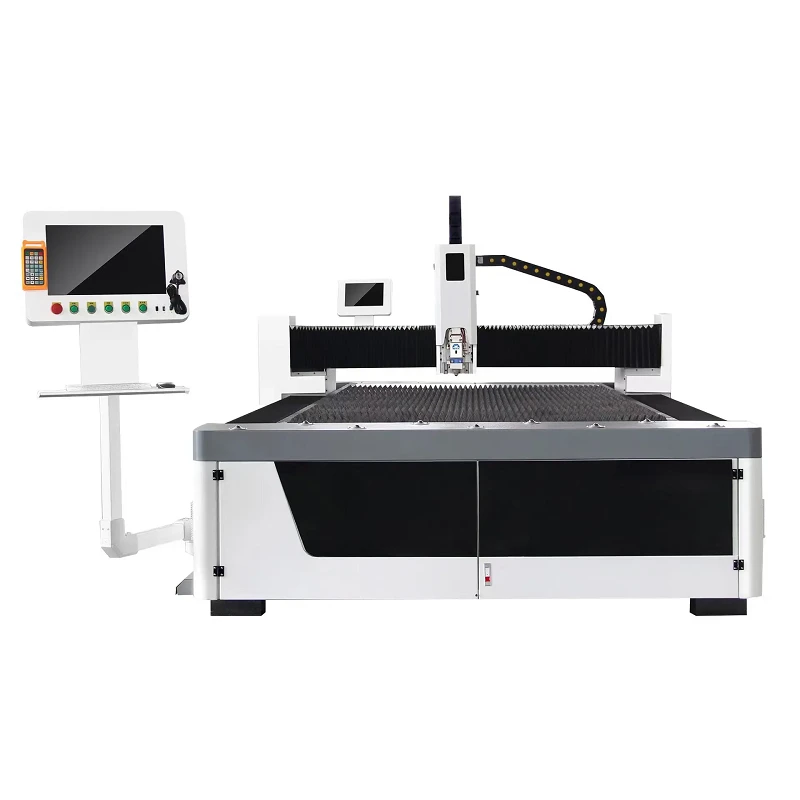
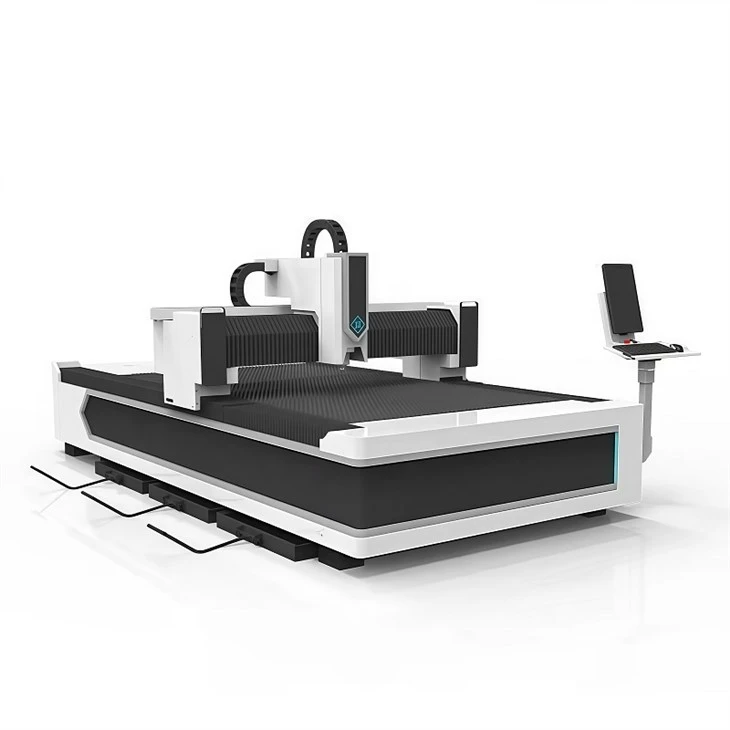
If you have any questions or are interested in purchasing a flat laser cutting machine, please feel free to contact us for further discussion. We are committed to providing you with high - quality products and excellent service to help your business thrive.
References
- "Laser Cutting Technology Handbook", published by Industrial Press
- Research papers on laser cutting technology from academic journals such as "Journal of Laser Applications"
- Industry reports on the development and application of flat laser cutting machines
No Information