

What is the noise level of an ATC CNC router?
What is the noise level of an ATC CNC router?
As a supplier of ATC CNC routers, I often get asked about the noise levels of these machines. Understanding the noise level of an ATC CNC router is crucial for several reasons, including workplace safety, compliance with environmental regulations, and overall user experience. In this blog post, I'll delve into what factors influence the noise level of an ATC CNC router, typical noise levels you can expect, and how to manage noise in your workspace.
Factors Influencing the Noise Level of an ATC CNC Router
Several factors contribute to the noise generated by an ATC (Automatic Tool Changer) CNC router. Here are some of the most significant ones:
-
Spindle Speed: The spindle is one of the primary sources of noise in a CNC router. As the spindle speed increases, so does the noise level. High-speed spindles can generate a significant amount of noise, especially when operating at their maximum RPM (Revolutions Per Minute). For example, a spindle running at 24,000 RPM will produce more noise than one running at 18,000 RPM.
-
Cutting Feed Rate: The feed rate at which the router moves across the material also affects the noise level. A higher feed rate can result in more aggressive cutting, which in turn generates more noise. This is because the router bit is removing material at a faster pace, causing more vibrations and friction.
-
Tooling and Material: The type of tooling used and the material being cut can have a significant impact on noise levels. Different router bits produce different levels of noise depending on their design and the material they are cutting. For instance, cutting hard materials like metal or hardwood will generally produce more noise than cutting softer materials like foam or plastic.
-
Machine Design and Construction: The overall design and construction of the CNC router can influence its noise level. A well-built machine with proper vibration dampening and noise insulation features will typically produce less noise than a poorly designed one. Factors such as the quality of the bearings, the rigidity of the frame, and the use of sound-absorbing materials can all contribute to reducing noise.
-
Automatic Tool Changer: The ATC mechanism itself can be a source of noise. The process of changing tools involves moving parts, such as motors and actuators, which can generate noise. The design and quality of the ATC system can affect how much noise it produces during tool changes.
Typical Noise Levels of ATC CNC Routers
The noise level of an ATC CNC router can vary widely depending on the factors mentioned above. On average, a CNC router operating at normal cutting speeds and spindle RPMs can produce noise levels ranging from 70 to 90 decibels (dB). To put this into perspective, a normal conversation typically occurs at around 60 dB, while a lawnmower can produce noise levels of around 90 dB.
Here are some general guidelines for the noise levels you can expect from different types of ATC CNC routers:
-
Small Desktop ATC CNC Routers: These routers are typically used for hobbyist or small-scale production work. They usually have lower spindle speeds and less powerful motors, resulting in noise levels in the range of 70 to 80 dB.
-
Medium-Size Industrial ATC CNC Routers: These machines are commonly used in medium-sized woodworking or manufacturing shops. They have more powerful spindles and higher feed rates, which can result in noise levels ranging from 80 to 90 dB.
-
Large-Scale Industrial ATC CNC Routers: These routers are designed for heavy-duty production work and often have high-speed spindles and large cutting areas. They can produce noise levels of 90 dB or more, especially when operating at full capacity.
It's important to note that these are just general estimates, and the actual noise level of a specific CNC router may vary depending on its make, model, and operating conditions.
Managing Noise in Your Workspace
Exposure to high noise levels can have negative effects on your health, including hearing loss, stress, and fatigue. Therefore, it's essential to take steps to manage noise in your workspace when using an ATC CNC router. Here are some tips:
-
Use Hearing Protection: Wearing earplugs or earmuffs is one of the simplest and most effective ways to protect your hearing. Make sure to choose hearing protection that is appropriate for the noise level in your workspace.
-
Isolate the Machine: Consider placing the CNC router in a separate room or enclosure to isolate it from the rest of the workspace. This can help reduce the amount of noise that reaches other areas. You can also use soundproofing materials, such as acoustic panels or blankets, to line the walls and ceiling of the enclosure.
-
Maintain the Machine: Regular maintenance of the CNC router can help keep noise levels down. This includes keeping the machine clean, lubricating moving parts, and replacing worn-out components. A well-maintained machine will operate more smoothly and quietly.
-
Optimize Cutting Parameters: Adjusting the cutting parameters, such as spindle speed, feed rate, and tooling, can help reduce noise levels. Experiment with different settings to find the optimal combination that produces the least amount of noise while still achieving the desired cutting results.
-
Invest in a High-Quality Machine: When purchasing an ATC CNC router, consider investing in a high-quality machine with good noise reduction features. Look for machines that are designed to minimize vibrations and have effective noise insulation.
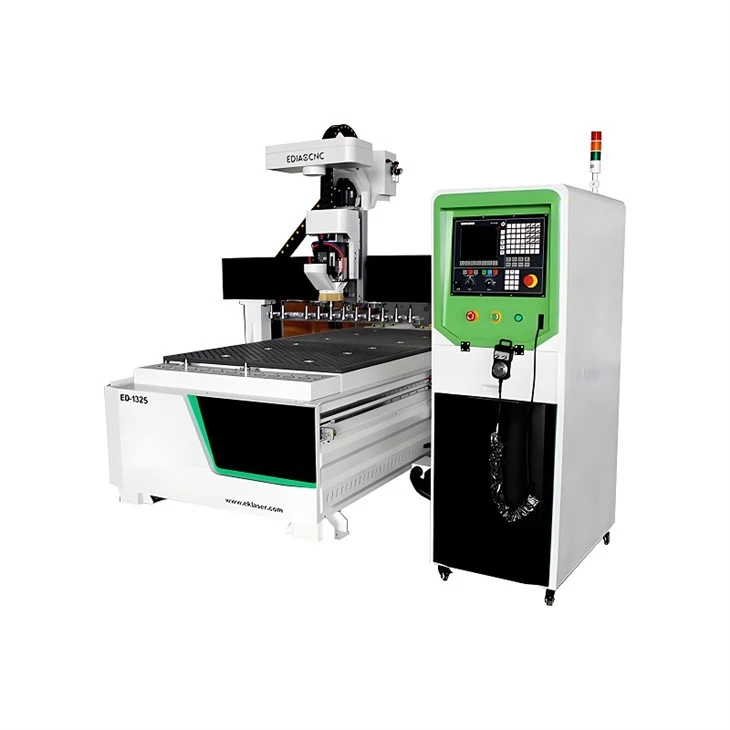
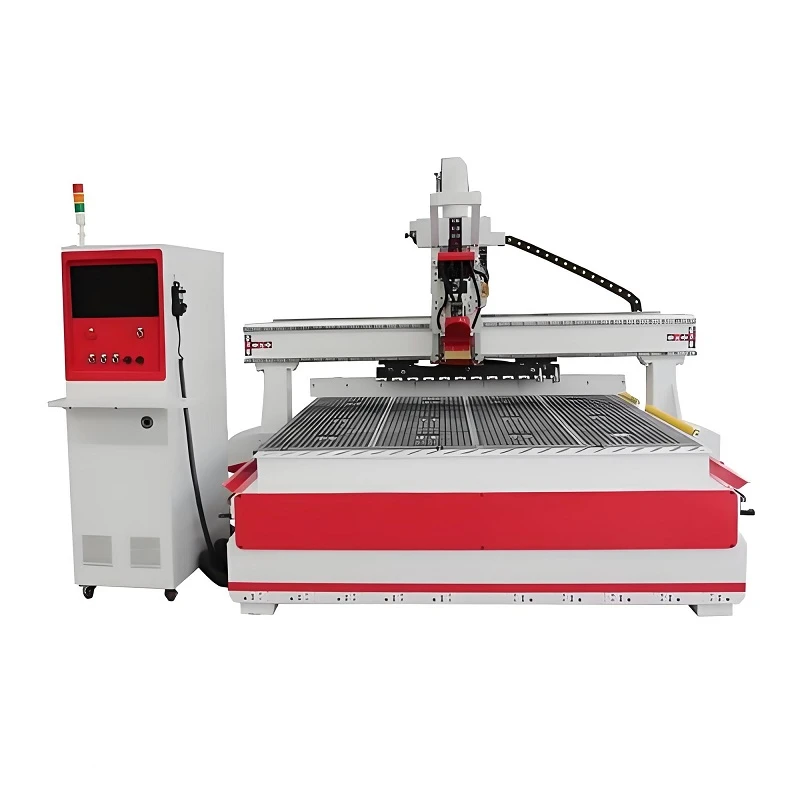
Our ATC CNC Routers and Noise Levels
At our company, we understand the importance of noise management in the workplace. That's why we design and manufacture our ATC CNC routers with noise reduction in mind. Our 2130 ATC CNC Router Machine For Plywood Furniture and 2040 ATC CNC Router are built with high-quality components and advanced engineering techniques to minimize noise levels.
We also offer the ATC CNC Woodworking Router, which is specifically designed for woodworking applications. This machine features a robust frame, precision bearings, and a well-designed ATC system, all of which contribute to reducing noise and vibration.
In addition to our noise reduction features, our ATC CNC routers are also known for their high performance, reliability, and ease of use. Whether you're a small business owner or a large-scale manufacturer, our machines can help you achieve your production goals while keeping noise levels under control.
Contact Us for More Information
If you're interested in learning more about the noise levels of our ATC CNC routers or have any other questions, please don't hesitate to contact us. Our team of experts is available to provide you with detailed information and answer any queries you may have. We can also help you choose the right machine for your specific needs and budget.
Investing in a high-quality ATC CNC router is a significant decision, and we want to make sure you have all the information you need to make an informed choice. Contact us today to start the conversation and take the first step towards improving your production capabilities.
References
- "CNC Router Noise Reduction Techniques" by Woodworking Magazine
- "Industrial Noise Control Handbook" by John Wiley & Sons
- "Hearing Protection in the Workplace" by the Occupational Safety and Health Administration (OSHA)