

What is the working area of an ATC CNC router?
As a supplier of ATC CNC routers, I'm often asked about the working area of these remarkable machines. The working area of an ATC (Automatic Tool Changer) CNC router is a crucial factor that determines its versatility and suitability for various applications. In this blog post, I'll delve into the concept of the working area, its significance, and how it relates to different types of projects.
Understanding the Working Area
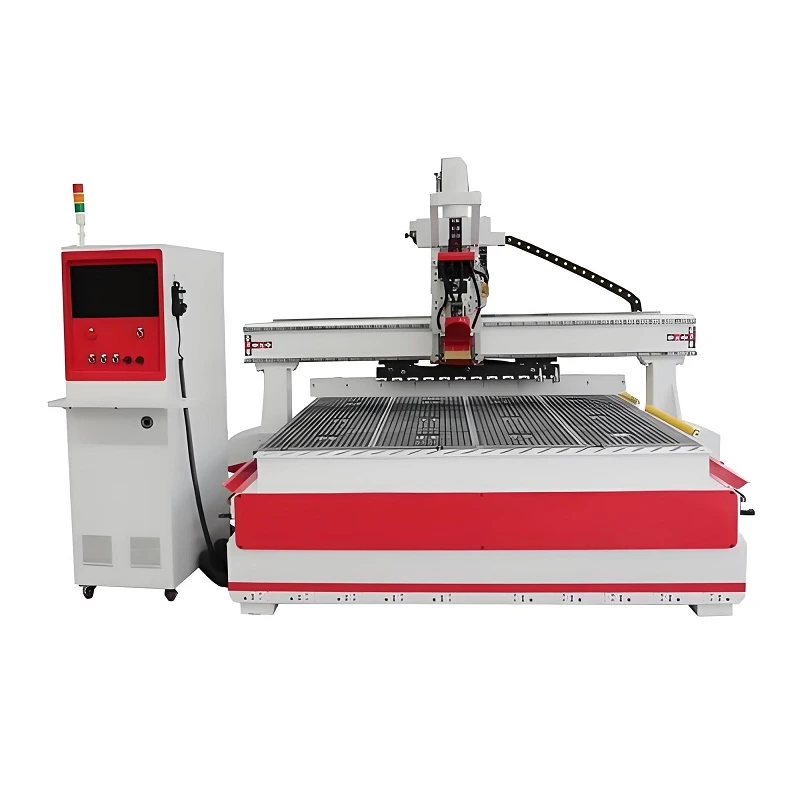
The working area of an ATC CNC router refers to the physical space within which the machine can operate and perform cutting, carving, and milling tasks. It is typically defined by the dimensions of the machine's table or bed, which can vary significantly depending on the model and manufacturer. The working area is usually measured in terms of length, width, and height, and it plays a vital role in determining the size and complexity of the projects that can be completed using the router.
Significance of the Working Area
The size of the working area is a critical consideration when choosing an ATC CNC router. A larger working area allows for the processing of bigger workpieces, enabling you to take on more substantial projects. This is particularly important for industries such as woodworking, where large panels and boards are commonly used. On the other hand, a smaller working area may be more suitable for smaller-scale projects or for applications where space is limited.
In addition to the size of the workpieces, the working area also affects the machine's precision and accuracy. A larger working area may require a more robust and stable machine structure to ensure consistent performance across the entire workspace. This is because the router's cutting head needs to move smoothly and precisely over the entire area, and any vibrations or inaccuracies can result in poor-quality cuts.
Common Working Area Sizes
ATC CNC routers come in a wide range of working area sizes to accommodate different needs and applications. Some common working area sizes include:
- Small-Scale Routers: These routers typically have a working area of around 600mm x 900mm or smaller. They are ideal for small-scale projects, prototyping, and hobbyist use. Small-scale routers are often more affordable and compact, making them a popular choice for home workshops and small businesses.
- Medium-Scale Routers: Medium-scale routers usually have a working area ranging from 1200mm x 2400mm to 1500mm x 3000mm. They are suitable for a variety of applications, including furniture manufacturing, cabinet making, and sign making. Medium-scale routers offer a good balance between size and performance, making them a versatile option for many businesses.
- Large-Scale Routers: Large-scale routers have a working area of 2000mm x 4000mm or larger. They are designed for heavy-duty applications and can handle large workpieces with ease. Large-scale routers are commonly used in industries such as shipbuilding, aerospace, and automotive manufacturing.
Choosing the Right Working Area
When choosing an ATC CNC router, it's essential to consider your specific needs and requirements. Here are some factors to keep in mind:
- Project Size: Consider the size of the projects you typically work on. If you primarily work with small workpieces, a router with a smaller working area may be sufficient. However, if you frequently work on large projects, you'll need a router with a larger working area.
- Space Availability: Take into account the amount of space you have available in your workshop. Make sure you have enough room to accommodate the router and its associated equipment, as well as space for material handling and storage.
- Budget: The size of the working area can significantly impact the cost of the router. Generally, routers with larger working areas are more expensive. Consider your budget and determine how much you're willing to spend on a router.
- Future Growth: Think about your future business plans and whether you anticipate the need for a larger working area in the future. If you expect to take on larger projects or expand your business, it may be worth investing in a router with a larger working area now.
Applications of Different Working Areas
The working area of an ATC CNC router can have a significant impact on the types of projects it can handle. Here are some examples of how different working areas are used in various industries:
- Woodworking: In the woodworking industry, ATC CNC routers are used for a variety of tasks, including cutting, carving, and milling. A router with a larger working area is ideal for processing large panels and boards, such as those used in furniture manufacturing and cabinet making. Smaller working areas may be more suitable for smaller projects, such as making wooden toys or decorative items.
- Sign Making: Sign makers use ATC CNC routers to create custom signs, logos, and lettering. A router with a medium-sized working area is typically sufficient for most sign-making projects, as it allows for the processing of standard-sized sign materials. However, for larger signs or for projects that require multiple signs to be cut at once, a router with a larger working area may be necessary.
- Metalworking: ATC CNC routers can also be used for metalworking applications, such as cutting and engraving metal sheets and plates. In the metalworking industry, routers with larger working areas are often required to handle the size and weight of the metal workpieces. Additionally, routers used for metalworking typically need to be more robust and powerful to withstand the high cutting forces involved.
- Plastic Fabrication: Plastic fabricators use ATC CNC routers to cut, shape, and engrave plastic materials. The working area requirements for plastic fabrication projects can vary depending on the size and complexity of the parts being produced. Smaller working areas may be suitable for prototyping and small-scale production, while larger working areas are needed for mass production and large-scale projects.
Our ATC CNC Router Offerings
At our company, we offer a wide range of ATC CNC routers with different working area sizes to meet the needs of various industries and applications. Our ATC CNC Woodworking Router is specifically designed for woodworking applications and comes in a variety of working area sizes to accommodate different project requirements. Our 2040 ATC CNC Router features a large working area of 2000mm x 4000mm, making it ideal for heavy-duty woodworking projects. And our ATC CNC Router Machine is a versatile machine that can be used for a variety of materials, including wood, metal, plastic, and composites.
Conclusion
The working area of an ATC CNC router is a critical factor that determines its versatility and suitability for different applications. By understanding the concept of the working area and considering your specific needs and requirements, you can choose the right router for your business. Whether you're a small hobbyist or a large-scale manufacturer, our company offers a range of ATC CNC routers with different working area sizes to meet your needs. If you're interested in learning more about our products or have any questions, please don't hesitate to contact us. We'd be happy to assist you in finding the perfect ATC CNC router for your business.

References
- "CNC Router Basics: Understanding the Working Area." CNC Router Guide.
- "Choosing the Right CNC Router for Your Business." Woodworking Network.
- "ATC CNC Router Applications and Working Areas." Industrial Machinery Digest.