

What is the beam divergence of a fiber laser marking machine?
Hey there! As a supplier of fiber laser marking machines, I often get asked about different technical aspects of these nifty devices. One question that pops up quite a bit is, "What is the beam divergence of a fiber laser marking machine?" So, let's dive right into it and break it down in a way that's easy to understand.
First off, let's talk about what beam divergence actually means. Beam divergence is a measure of how much a laser beam spreads out as it travels away from the source. In the case of a fiber laser marking machine, the source is the laser cavity where the laser light is generated. You can think of it like a flashlight beam. When you shine a flashlight close to an object, the beam is concentrated and small. But as you move the flashlight further away, the beam spreads out and gets bigger. That spreading is similar to what happens with a laser beam, and that's what we call beam divergence.
Why does beam divergence matter in a fiber laser marking machine? Well, it has a big impact on the quality and precision of the marking. A lower beam divergence means the laser beam stays more concentrated over a longer distance. This is super important because when you're marking something, you want the laser to hit the exact spot you're aiming for with as much power as possible. If the beam diverges too much, it will spread out and become weaker, which can result in a less clear and less precise mark.
Let's take a look at how beam divergence affects different types of fiber laser marking machines. We've got the 30 Watt Fiber Laser Marking Machine. This machine is a popular choice for a lot of applications because it offers a good balance between power and cost. With a relatively low beam divergence, the 30-watt laser can create sharp and detailed marks on a variety of materials, like metals, plastics, and ceramics. Whether you're marking serial numbers on small metal parts or adding logos to plastic products, the low beam divergence ensures that the marks are clear and accurate.
Then there's the Handheld Fiber Laser Marking Machine. This type of machine is great for on-the-go marking jobs. You can easily carry it around and mark objects in different locations. The beam divergence of a handheld machine needs to be carefully controlled because you might be marking at different distances from the object. A low beam divergence allows you to get consistent marks whether you're holding the machine close to the surface or a bit further away. It gives you more flexibility and makes it easier to get professional-looking results.
And of course, we can't forget about the Cabinet Fiber Laser Marking Machine. This machine is designed for high-volume and high-precision marking. It's usually used in industrial settings where you need to mark a large number of parts quickly and accurately. A low beam divergence is crucial here because it allows the machine to maintain a high level of precision even when marking at high speeds. The laser beam can stay focused on the part, ensuring that each mark is of the same quality.
Now, let's talk about how beam divergence is measured. The most common unit for measuring beam divergence is the milliradian (mrad). A smaller mrad value means a lower beam divergence. For example, a fiber laser marking machine with a beam divergence of 1 mrad will spread out less than a machine with a beam divergence of 2 mrad. When you're choosing a fiber laser marking machine, it's important to look at the beam divergence specification to make sure it meets your marking requirements.
There are a few factors that can affect the beam divergence of a fiber laser marking machine. One of the main factors is the quality of the laser source. A high-quality laser source will have a lower beam divergence because it can generate a more concentrated and stable laser beam. The design of the optical system also plays a role. The lenses and mirrors in the machine need to be carefully designed and aligned to minimize beam divergence. Additionally, the environment in which the machine is used can have an impact. Temperature, humidity, and vibration can all cause the beam to diverge more than normal.
So, how can you ensure that you're getting the best beam divergence for your fiber laser marking machine? First, choose a reputable supplier. At our company, we use the latest technology and high-quality components to ensure that our machines have low beam divergence. We also perform rigorous testing on each machine to make sure it meets our quality standards. Second, make sure to follow the manufacturer's instructions for installation and maintenance. Proper installation and regular maintenance can help keep the beam divergence in check.
If you're in the market for a fiber laser marking machine, it's important to consider your specific marking needs. Think about the materials you'll be marking, the size and complexity of the marks, and the production volume. Based on these factors, you can choose the right machine with the appropriate beam divergence.
In conclusion, beam divergence is a crucial factor in the performance of a fiber laser marking machine. It affects the quality, precision, and flexibility of the marking process. Whether you're using a 30-watt machine, a handheld machine, or a cabinet machine, a low beam divergence is essential for getting the best results. If you have any questions about beam divergence or need help choosing the right fiber laser marking machine for your business, don't hesitate to reach out. We're here to help you make the right decision and get the most out of your investment.

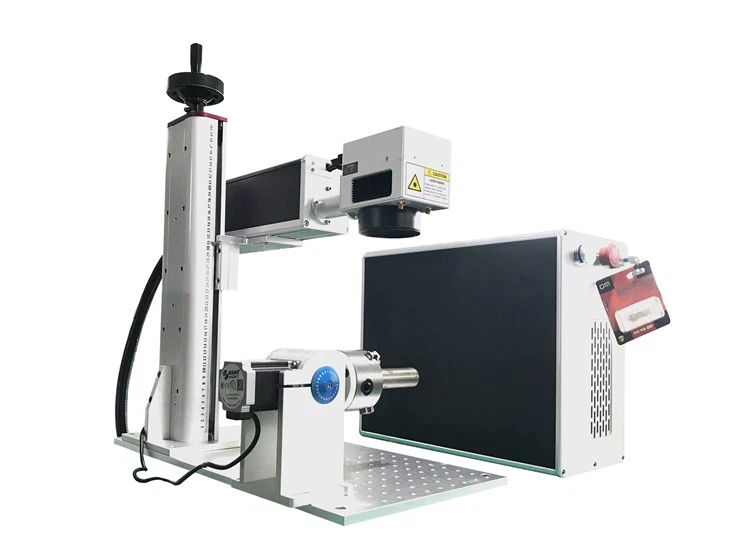
Ready to take your marking to the next level? Contact us today to discuss your requirements and start the procurement process. We look forward to working with you!
References
- Optics and Laser Technology: This field provides the fundamental knowledge about laser beam properties, including beam divergence.
- Manufacturer's specifications: The technical documents provided by fiber laser marking machine manufacturers contain detailed information about beam divergence and other performance parameters.